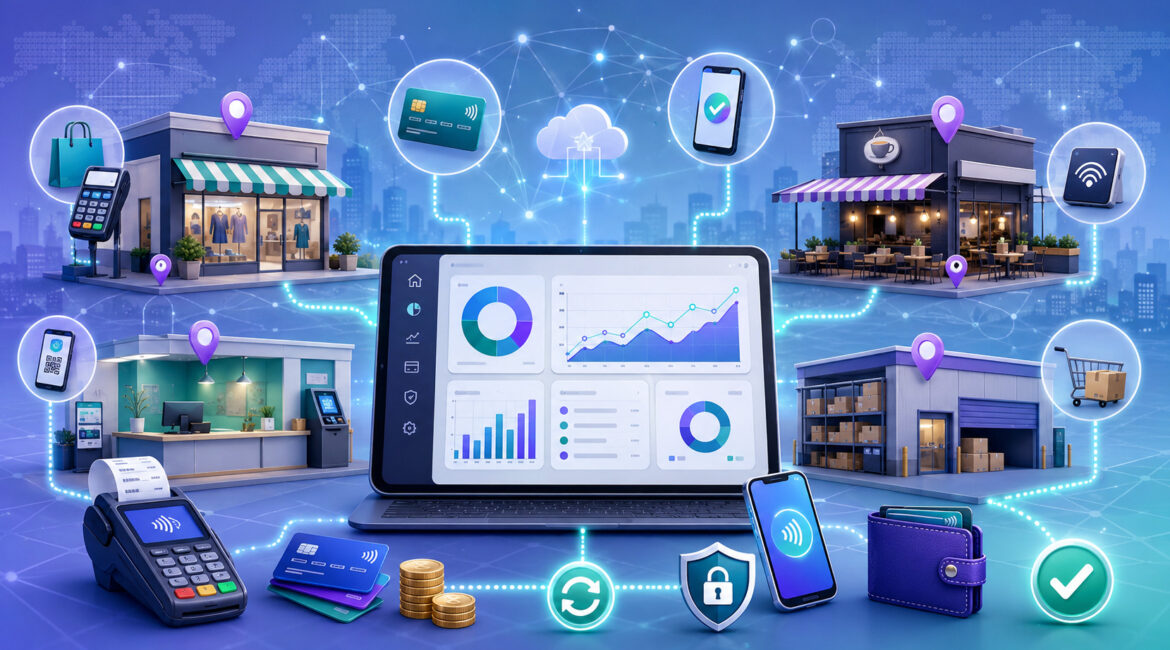
Managing payments becomes more complicated each time a business adds a store, office, clinic, restaurant, dealership, service area, online sales channel, or independently operated branch. A payment setup that worked for one location may produce reporting gaps, funding confusion, inconsistent customer experiences, and weak access controls when expanded without a...
Subscription Pricing Models Explained
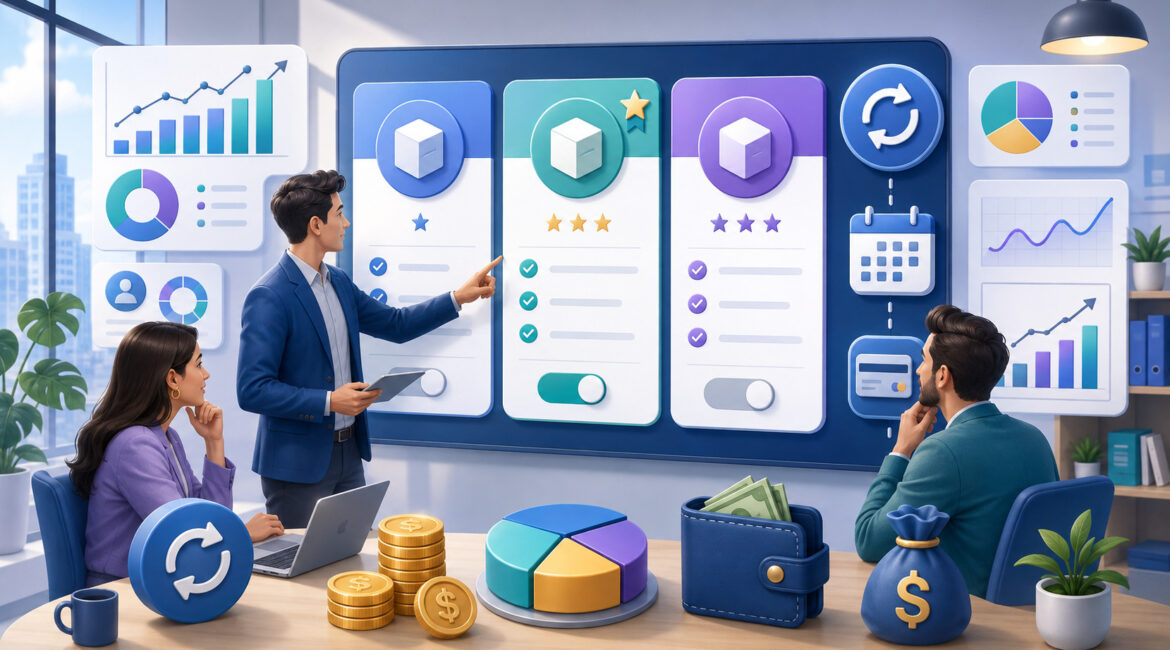
Subscription pricing models determine how customers pay for continued access to a product, service, membership, platform, or recurring benefit. The chosen model affects far more than the amount shown on a pricing page. It influences customer expectations, recurring revenue, cash flow, product packaging, billing operations, payment acceptance, retention, upgrades, cancellations,...
How Payment Authorization and Settlement Work
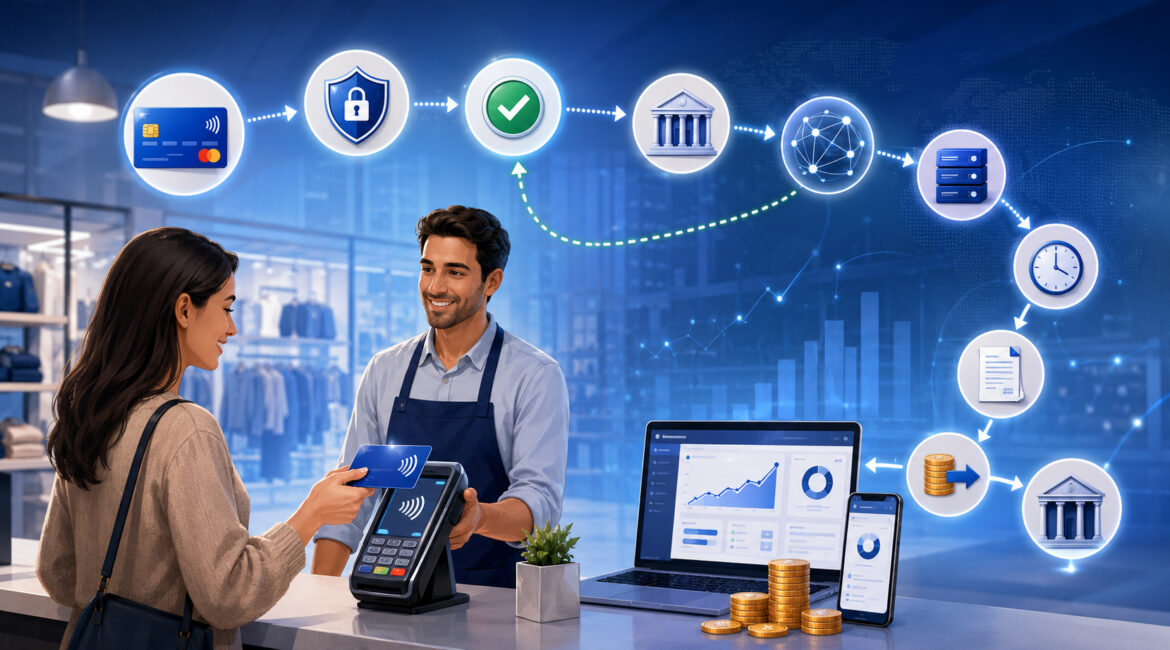
When a customer taps a card, enters payment details online, or gives card information over the phone, the payment can feel instant. A receipt appears, the order confirmation loads, or the terminal says approved. From the customer’s point of view, the purchase is finished. For the business, the process is...
Payment Processor vs Merchant Account: Key Differences
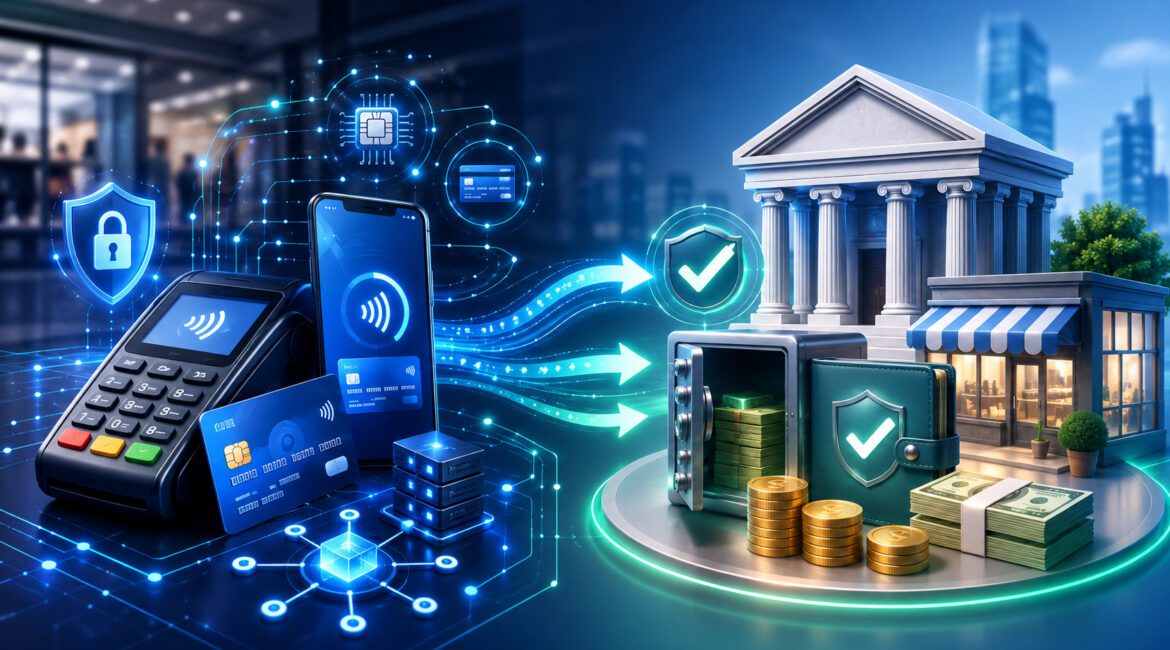
Accepting card payments can feel confusing when every provider uses similar terms in different ways. A business owner may hear about payment processors, merchant accounts, payment gateways, acquiring banks, payment facilitators, settlement, chargebacks, PCI compliance, and transaction fees before they even process their first sale. The confusion is understandable. These...
Virtual Terminal vs Payment Gateways: A Detailed Comparison
In today's digital world, businesses have more ways than ever to accept payments, but choosing the right payment solution can be tricky. If you’ve come across terms like virtual terminals and payment gateways, you might be wondering: What’s the difference, and which one do I need?A payment gateway is the...
Mobile Payment Processing – A Complete Guide

In today's digital age, mobile payment processing has become an integral part of the business landscape. With the increasing popularity of smartphones and the convenience they offer, more and more consumers are opting for mobile payments over traditional methods. This comprehensive guide aims to provide a detailed understanding of mobile...
How to Choose a Payment Processor
In today's digital age, having a reliable and efficient payment processor is crucial for businesses of all sizes. Whether you operate an online store, a brick-and-mortar establishment, or a combination of both, the ability to accept payments seamlessly is essential for your success. However, with numerous payment processors available in...
Real-Time Payments: What Are They and How Do They Work?

In today's fast-paced digital world, the demand for instant transactions has become increasingly prevalent. Real-time payments have emerged as a solution to meet this demand, revolutionizing the way we transfer money. This article aims to provide a comprehensive understanding of real-time payments, including their definition, evolution, functionality, benefits, and global...
What is a Micropayment?
Micropayments have become an integral part of our digital world, revolutionizing the way we make small transactions online. In this article, we will delve into the concept of micropayments, understand how they work, explore their advantages and limitations, and discuss their future prospects. Micropayments refer to small financial transactions conducted...
What Is an EFT Payment?
In today's digital age, electronic transactions have become the norm, replacing traditional paper-based methods. One such method is Electronic Funds Transfer (EFT) payments. EFT payments have revolutionized the way we transfer money, making it faster, more convenient, and secure. In this comprehensive guide, we will delve into the world of...